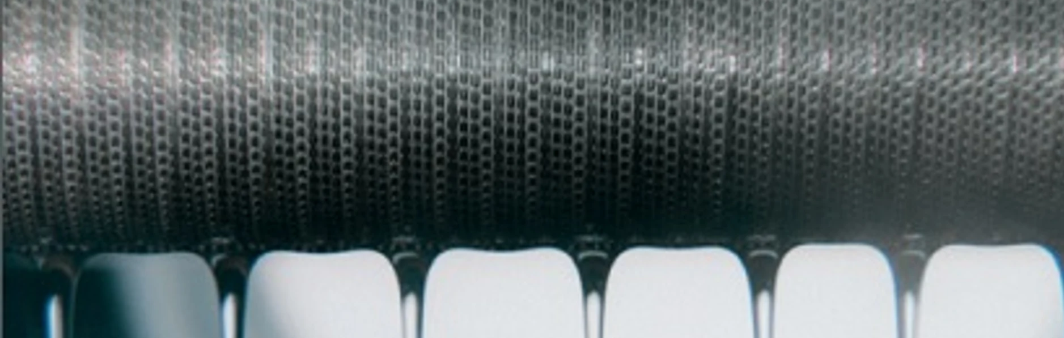
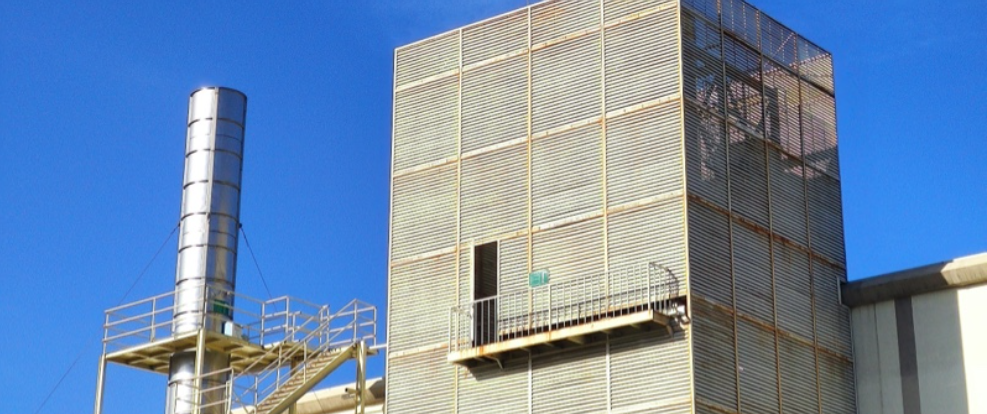
High Condensing tube heat exchanger uses high-efficiency heat exchange tubes with special fin structure to accelerate the shedding of condensate and enhance condensation heat transfer.
In a condenser, vapor releases latent heat as it approaches saturation temperature and begins to condense, forming a thin liquid film that gradually thickens on the tube surface. The growth of this film increases thermal resistance and limits heat transfer performance.
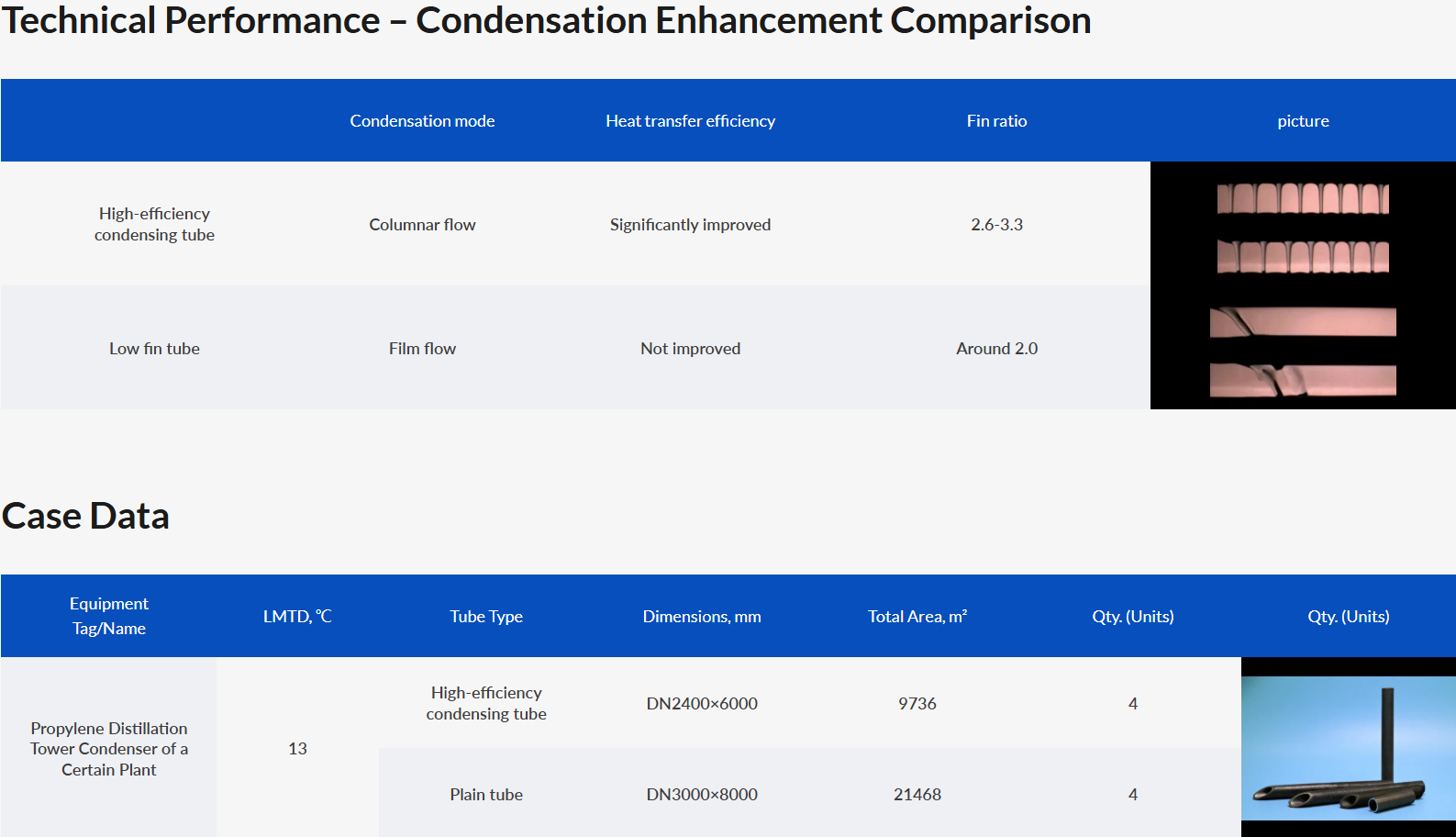
Conventional low-fin tubes mainly enhance performance by increasing external surface area, delivering higher heat transfer coefficients than plain tubes.
Our high-efficiency condensing tubes feature a staggered serrated fin geometry that actively disrupts condensate flow, promoting convective heat transfer within the liquid film. This unique three-dimensional structure also breaks surface tension, maintains a thinner condensate film, and rapidly channels condensate from the fin tips to circumferential fin roots, it is quickly drained through microchannels under gravity.
The result is faster condensate removal, lower thermal resistance, and significantly improved condensation efficiency.